After directing The Good, the Bad and the Ugly, Sergio Leone intended to retire from Westerns, having become interested in adapting Harry Grey's autobiographical crime novel The Hoods, a project that would eventually become his final film, Once Upon a Time in America, seventeen years later.
United Artists offered Leone a film starring Charlton Heston, Kirk Douglas and Rock Hudson, which he turned down, but he accepted Paramount's offer because it came with a generous budget and access to Henry Fonda, an actor Leone had long wanted to work with.
Leone met young critic Dario Argento and aspiring director Bernardo Bertolucci by chance at a Rome cinema screening of The Good, the Bad and the Ugly, and the following day called Bertolucci to ask if he had enjoyed the film, which led to their collaboration.
Leone hired both Argento and Bertolucci to develop the story, holding meetings at his home from January to April 1967 that produced a roughly 300-page treatment full of visual descriptions and staging suggestions; Argento described buying a real Colt revolver and a cowboy hat to get into the spirit of the project.
Bertolucci left the project to direct a segment for the Living Theatre-based film Vangelo 70 (Agonia), while Argento moved on to write spaghetti western scripts and prepare his directorial debut The Bird with the Crystal Plumage, leaving Leone to bring back Sergio Donati, whom he had not credited on The Good, the Bad and the Ugly despite months of work, to finish the screenplay.
Leone scouted locations in the deserts of Colorado, New Mexico and Arizona, including a guided tour of Monument Valley with cinematographer Tonino Delli Colli, who recalled Leone excitedly pointing out exactly where John Ford had placed his camera for earlier films; the name Sweetwater for the McBain ranch came from a small village Leone visited in that area.
Henry Fonda initially turned down the role of Frank, so Leone flew to New York and pitched him by describing a scene where the camera reveals a killer shooting a running child, then tilts up to show it is Fonda's face; Fonda's friend Eli Wallach then convinced him to take the role.
Fonda arrived on set wearing brown contact lenses and a beard, believing dark eyes would help audiences accept him as a villain, but Leone had him remove both, feeling Fonda's naturally blue eyes better conveyed the killer's cold nature.
The role of Harmonica was first offered to Clint Eastwood, who turned it down; Leone then considered Charles Bronson and James Coburn (both previously considered for the Man with No Name), but Coburn's fee was too high, so Bronson was cast.
Kirk Douglas repeatedly tried to convince Leone to cast him as Cheyenne, but Leone chose Jason Robards instead; Robert Ryan had initially accepted the role of the sheriff but dropped out after being offered a bigger part in Sam Peckinpah's The Wild Bunch.
The role of Morton was offered to Enrico Maria Salerno and then to Robert Hossein (who accepted but had to withdraw due to a theater commitment) before going to Gabriele Ferzetti, who called his casting a matter of fate.
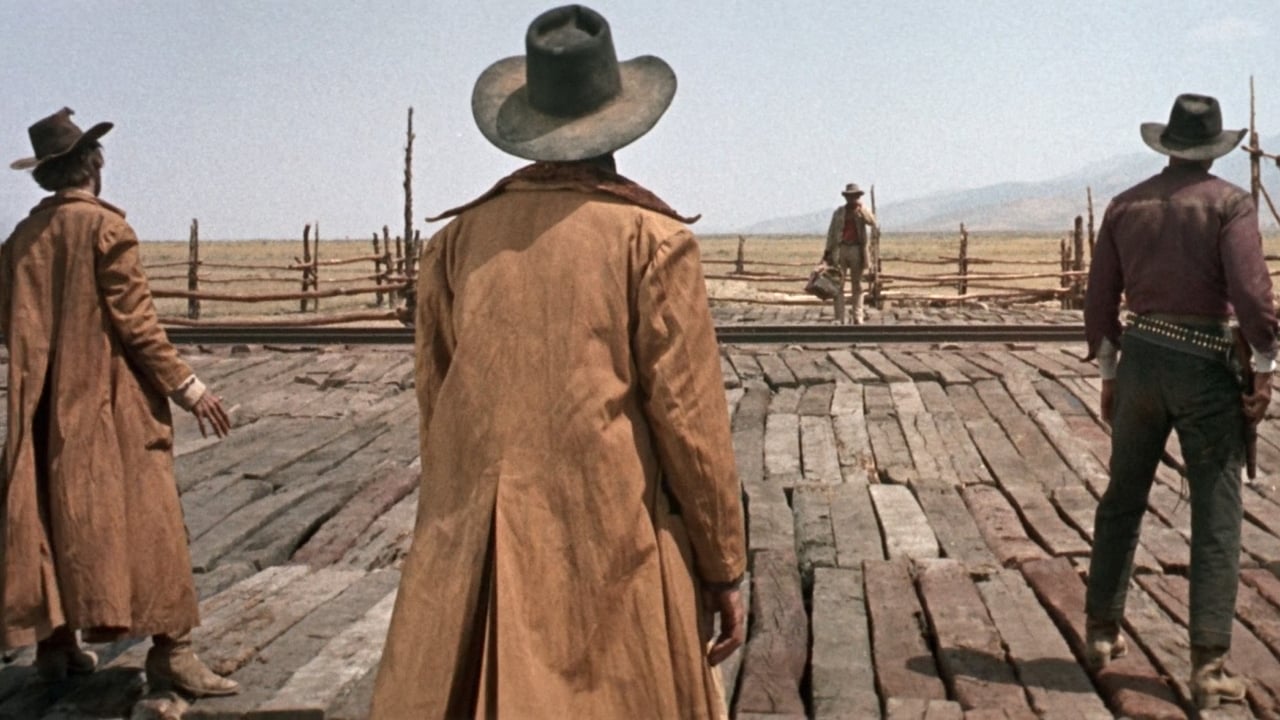
The film's famous opening sequence, showing three gunmen waiting for a train, was actually the last scene shot in Francoist Spain, filmed over four days along the railway near Estación de La Calahorra by Guadix.
Actor Al Mulock, who played the gunman Knuckles in the opening scene, killed himself in Guadix by jumping from his hotel window while still wearing his costume, shortly before that sequence finished filming; Frank Wolff, who played Brett McBain, also later took his own life in Rome in 1971.
The brick archway used for Harmonica's flashback was built near a small airstrip fifteen miles north of Monument Valley, close to U.S. Route 163 between Goulding's Trading Post and Mexican Hat.
Ennio Morricone composed the entire score before filming began, at Leone's request, and the music was played on set during shooting to help the actors get into character.
The four-note harmonica theme for the character Harmonica was performed by Franco De Gemini on a B-flat chromatic harmonica with slight reverb to give it a haunting quality.
Apart from about a minute of the 'Come una sentenza' theme before Harmonica kills the three gunmen, no score is heard until Henry Fonda's first on-screen appearance; instead Leone and Morricone rely on natural sounds like a creaking windmill, a train, locusts, gunfire and pigeon wings.
According to film historian Christopher Frayling, the film references around 30 classic American westerns, most notably High Noon (the opening sequence mirrors three outlaws waiting at a station for their boss named Frank) and 3:10 to Yuma.
The surname McBain and the name Sweetwater were borrowed from the film The Comancheros, while the character of Jill McBain is believed to be based on Vienna from Johnny Guitar.
Leone said the sequence of the McBain family massacre, with rustling bushes, silencing cicadas and startled pheasants signaling approaching danger, was directly inspired by John Ford's The Searchers, whose ending also echoes the film's finale of wandering heroes unable to join settled society.
The film has influenced later works, including the train-arrival camera style used for Marty's entrance in Back to the Future Part III and Hattori Hanzo's bar scene in Kill Bill: Volume 1, both citing shots from Once Upon a Time in the West.
The U.S. theatrical cut released by Paramount was shortened to about 140-145 minutes, removing the tavern scene introducing Cheyenne, the Morton-Frank cliffside conversation, and Cheyenne's death, and this version was a financial flop in North America, earning just over its budget.
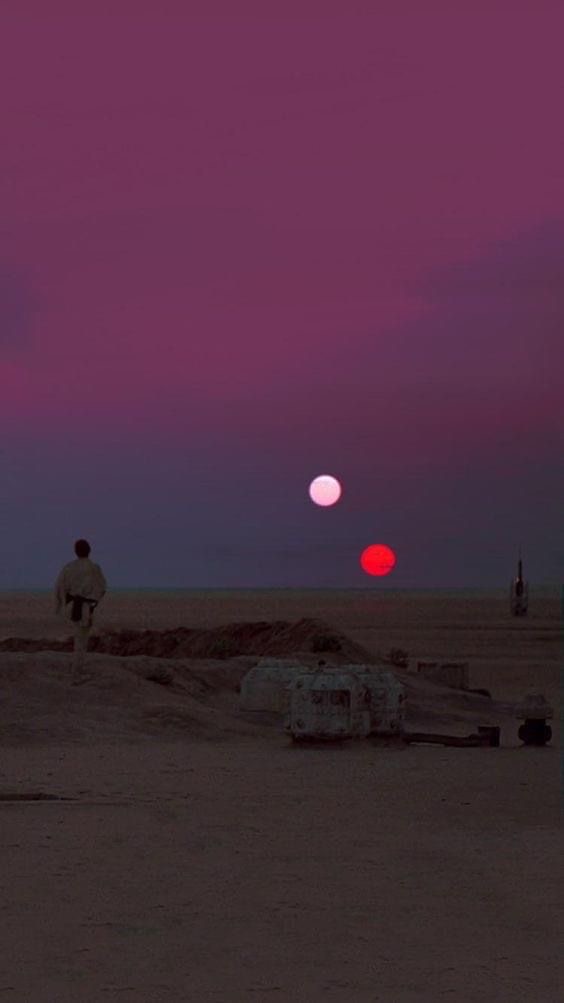
Although less popular in the U.S. than Leone's Dollars Trilogy at release, the film gained a fervent cult following among filmmakers like Quentin Tarantino, Martin Scorsese, George Lucas, John Carpenter and John Boorman, who have all cited its influence, and it was added to the U.S. National Film Registry in 2009.