Wes Craven based the film's premise on Los Angeles Times news stories about Hmong refugees who suffered terrifying nightmares and died in their sleep, a phenomenon called Asian Death Syndrome.
The 1970s song 'Dream Weaver' by Gary Wright reportedly helped seal the film's concept for Craven, giving him both an artistic direction and a synthesizer riff idea for the soundtrack.
Freddy Krueger's name was inspired by a boy named Fred Krueger who bullied Craven at school; Craven had already used a shortened version of the name, Krug, for a villain in his earlier film The Last House on the Left.
Craven originally conceived Freddy as a child molester but changed him to a child murderer to avoid being seen as exploiting a spate of publicized child molestation cases in California at the time.
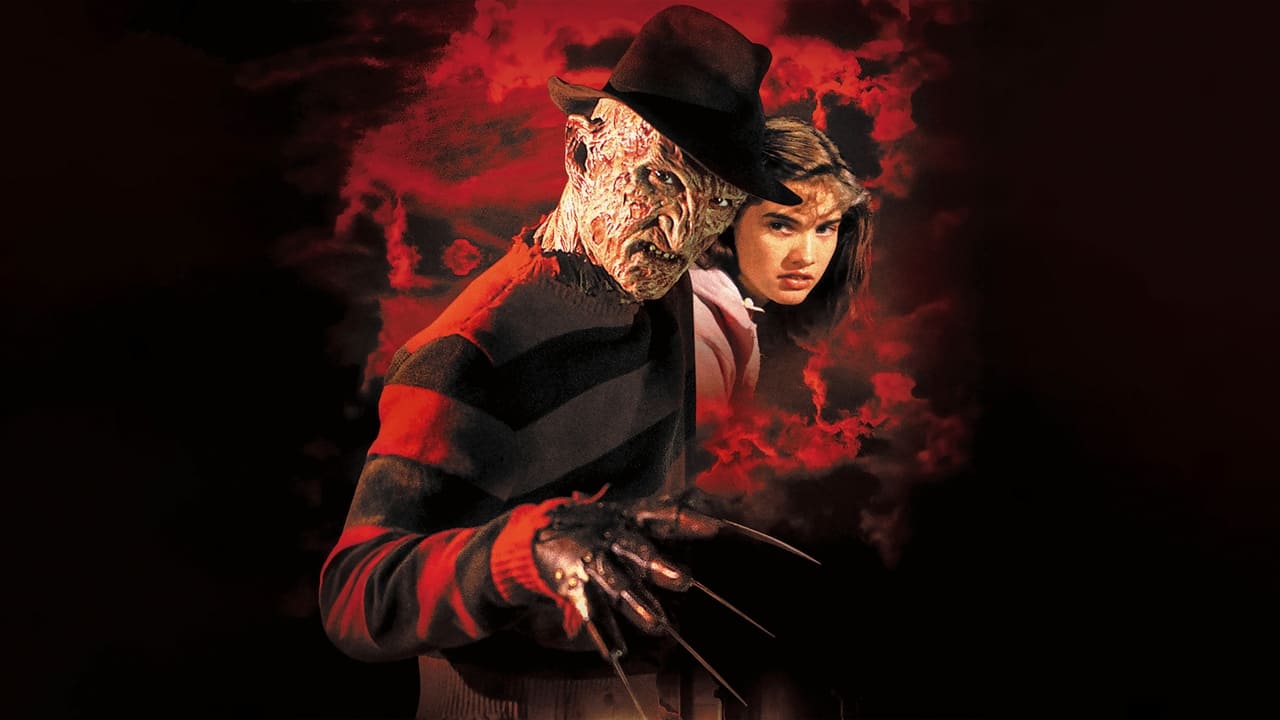
Craven chose Freddy's red and green striped sweater after reading a 1982 Scientific American article stating these were the two most visually clashing colors to the human retina.
Craven wanted a villain who could talk and taunt victims rather than wear a silent mask like Michael Myers or Jason, and settled on a bladed glove weapon designed with special effects artist Jim Doyle after considering a sickle.
Disney showed early interest in the script but wanted it toned down into a family-friendly PG-13 film, which Craven refused; Paramount passed due to similarities with Dreamscape, and Universal also rejected it, with Craven later framing Universal's rejection letter on his office wall.
New Line Cinema, which had previously only distributed films, took on production after struggling to secure financing; nearly all original investors dropped out at some point, and during filming a funding gap left the studio unable to pay cast and crew for two weeks.
David Warner was originally cast as Freddy Krueger and even underwent makeup tests, but had to drop out due to scheduling conflicts.
Kane Hodder, later famous for playing Jason Voorhees, met with Craven about playing Freddy when Craven was still considering a bigger, scarred-looking actor for the role.
Robert Englund got the audition after casting director Annette Benson recommended him following his earlier audition for National Lampoon's Class Reunion; he darkened his eyelids with cigarette ash and slicked his hair back to look 'weasel-like' for the audition.
Heather Langenkamp won the role of Nancy after an open audition beating out more than 200 actresses, having previously lost roles in Night of the Comet and The Last Starfighter to Catherine Mary Stewart.
Johnny Depp made his film debut as Glen after accompanying his friend Jackie Earle Haley (who later played Freddy in the 2010 remake) to the audition; Depp initially bombed his own audition but was chosen after Craven's daughters picked his headshot from a stack of photos.
Charlie Sheen was considered for the role of Glen but turned it down after his agent demanded double the offered weekly wage, though Sheen later said he simply didn't believe the concept would catch on.
Principal photography lasted 32 days starting June 11, 1984, filmed around Los Angeles, with Nancy's house exterior actually located at 1428 North Genesee Avenue.
Over 500 gallons of fake blood were used during production, and for the blood geyser scene the crew poured dyed red water into an inverted rotating room set, with Craven and the cameraman strapped into seats taken from a Datsun B-210.
The melting staircase in Nancy's dream sequence was created using pancake mix, an idea suggested by producer Robert Shaye based on his own nightmares.
The bathtub attack scene used a special bottomless tub built over a swimming pool, with a stuntwoman replacing Heather Langenkamp for the underwater shots.
Special effects artist Jim Doyle personally played Freddy's stretching face and hands emerging through a spandex wall in one of Nancy's nightmare sequences.
Actor Jsu Garcia (credited as Nick Corri), who played Rod, was struggling with depression and homelessness during filming and admitted he was high on heroin during his jail cell scene with Heather Langenkamp, who mistook his glassy-eyed state for strong acting.
Craven said twelve frames had to be cut from Tina's death scene or the film risked losing its release entirely.
For a scene where a centipede crawls from dead Tina's mouth, filmmakers first tried having actress Amanda Wyss push out a rubber centipede, but ultimately used a real centipede crawling from a clay sculpture of her likeness; the live centipede was briefly lost on set during filming.
A scene from Sam Raimi's The Evil Dead appears on television when Nancy tries to stay awake, a nod Craven included because Raimi had featured a Hills Have Eyes poster in that film; Raimi later returned the favor by including a Freddy glove in Evil Dead II and Ash vs Evil Dead.
The lyrics for Freddy's jump-rope theme song were already written into the script, but the melody was composed not by film composer Charles Bernstein, but by Heather Langenkamp's boyfriend (and future husband) Alan Pasqua.
One of the three girls who recorded the vocals for Freddy's creepy nursery rhyme theme was producer Robert Shaye's then-14-year-old daughter.
Craven originally wanted a more ambiguous ending where Nancy defeats Freddy simply by no longer believing in him, but New Line head Robert Shaye demanded a twist ending; the filmmakers considered about five different endings before settling on Freddy pulling Nancy's mother through the front door.
The film was selected for preservation in the U.S. National Film Registry by the Library of Congress in 2021 as culturally, historically, or aesthetically significant.
Despite its low budget, the film grossed $57 million worldwide and became New Line Cinema's first major commercial success, earning the studio the nickname 'The House That Freddy Built'.