No connection

Hotel Sahara

She Sings! She Dances! She Romances! She's Engaged in Maneuvers with Three Different Armies! And She's Got Everything!

1951 · 96 min · Comedy
5.6 Niche
Comedy Romance War

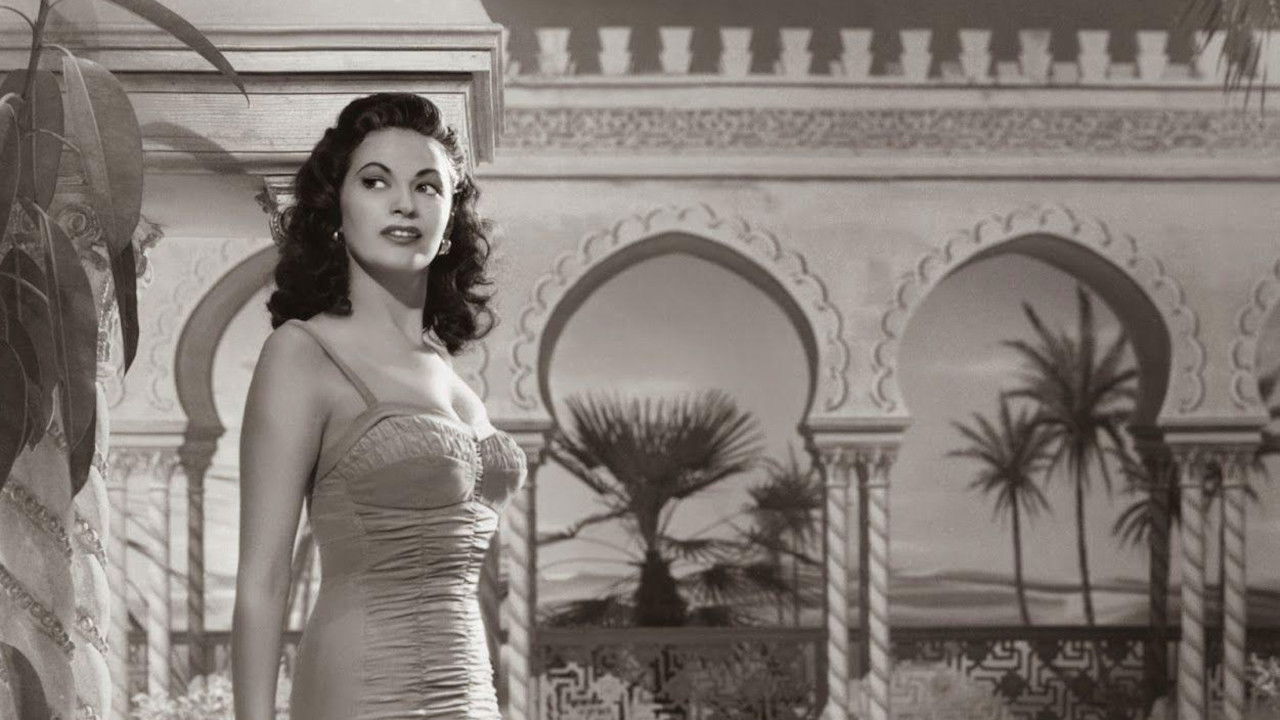
In World War II, desert hotel proprietors Emad and Yasmin are caught between the warring armies and have to constantly shift their political allegiance to whichever army happens to control the area.

Country of origin
🇬🇧 United Kingdom
Year
1951

Trivia & behind the scenes

/
Origins

Hotel Sahara was the first film from Tower Films, the new production company of producer George Brown, based on an idea he conceived during a chat in a Fleet Street pub about a hotel in the Western Desert Campaign that kept changing sides.

Origins

It took producer George Brown five months to secure a distribution guarantee, obtain financing from the National Film Finance Corporation, arrange studio space, raise private funds, and secure his desired star Yvonne De Carlo from Hollywood.

Casting

Brown convinced Yvonne De Carlo to take the role by writing to her that he believed she had a flair for comedy, and she was eager for a change of pace from her usual Hollywood typecasting.

Casting

Producer George Brown knew Peter Ustinov from their time together in the RAF Film Unit during World War II, and the two had previously co-produced School for Secrets and Vice Versa.

Filming

During filming, Peter Ustinov met Suzanne Cloutier, who later became his wife.

Filming

Director Ken Annakin described shooting as a precarious operation because the three leads worked very differently: Ustinov preferred few rehearsals and one or two takes, De Carlo required at least seven full rehearsals, and David Tomlinson had a habit of upstaging other actors from his London theatre background.

Filming

Filming took place at Pinewood Studios starting in January 1951, with additional location shooting in Egypt; Yvonne De Carlo had arrived in London in December 1950 to prepare.

Music

This was the first time Yvonne De Carlo sang on film, performing the songs 'I Love a Man' and 'Say Goodbye, Soldier Boy'; the film also uses 'Funiculì, Funiculà' as a leitmotif for the Italians, 'Lilliburlero' for the British, and Wagner's 'Ride of the Valkyries' for the Germans.

Effects

The scene of Yasmin Pallas (Yvonne De Carlo) dancing had to be censored for the film's US release.

Reception

According to Ken Annakin, the film was a big success in Germany because it was the first time since the war that German soldiers had been portrayed as normal human beings on screen.

What people are saying (0)

Log in to share your take.

No reviews yet.

Nothing yet. Start the conversation!

New version available

A Seenr update was just released. Reload to get it.