
No connection

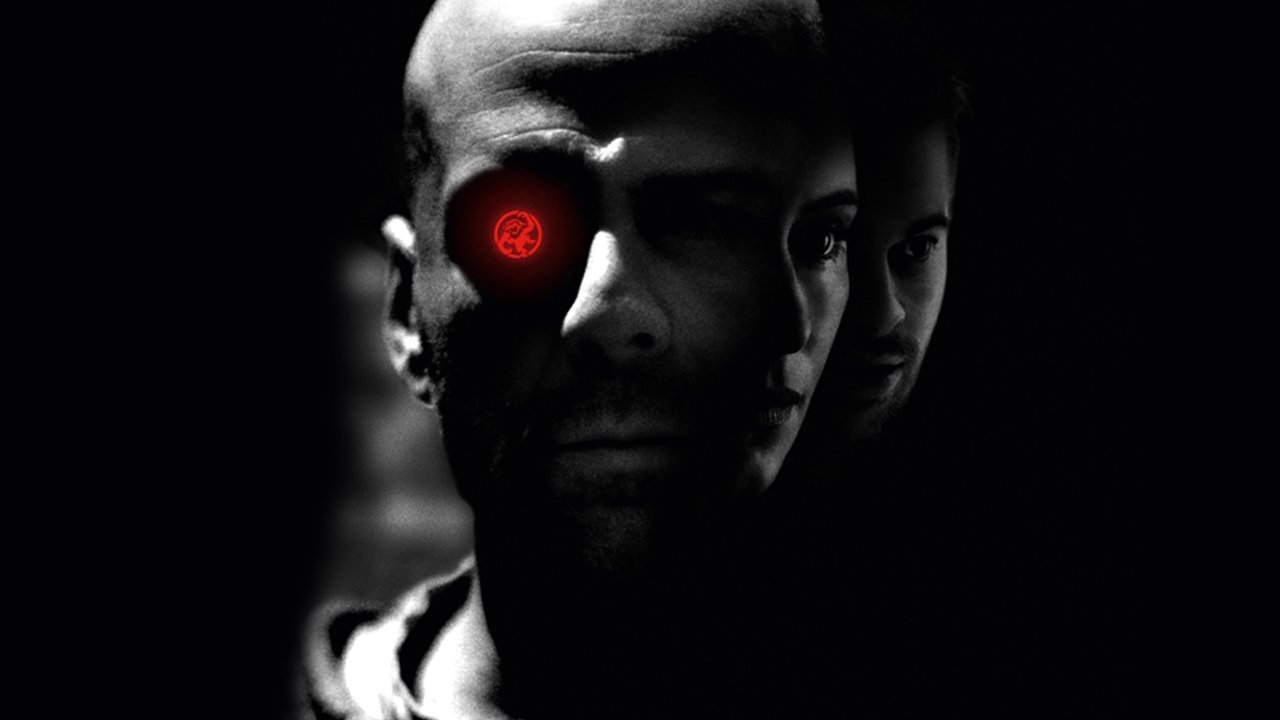
Twelve Monkeys

The future is history.

1995 · 130 min · Science Fiction
8.3 Popular
Science Fiction Thriller Mystery

In the year 2035, convict James Cole reluctantly volunteers to be sent back in time to discover the origin of a deadly virus that wiped out nearly all of the earth's population and forced the survivors into underground communities. But when Cole is mistakenly sent to 1990 instead of 1996, he's arrested and locked up in a mental hospital. There he meets psychiatrist Dr. Kathryn Railly and the son of a famous virus expert who may hold the key to the Army of the 12 Monkeys; thought to be responsible for unleashing the killer disease.

Country of origin
🇺🇸 United States
Year
1995

Trivia & behind the scenes

/
Origins

The project originated with executive producer Robert Kosberg, a fan of Chris Marker's 1962 short film La Jetée, who persuaded Marker to let him pitch a feature adaptation to Universal Pictures.

Origins

Terry Gilliam signed on to direct 12 Monkeys right after abandoning a film adaptation of A Tale of Two Cities, even though he initially felt the script for 12 Monkeys was 'too complex'.

Origins

This was only the second film Gilliam directed without writing or co-writing the screenplay, and he claimed he had not actually seen La Jetée when he made 12 Monkeys, despite the Writers Guild's skepticism over the 'inspired by' credit.

Casting

Gilliam's initial casting choices were Nick Nolte as James Cole and Jeff Bridges as Jeffrey Goines, but Universal objected; Nicolas Cage and Tom Cruise were also suggested but rejected by Gilliam.

Casting

Gilliam said he wasn't originally interested in casting Bruce Willis because of the actor's mouth, before deciding Willis evoked the right mix of strength and vulnerability for Cole.

Casting

Gilliam originally believed Brad Pitt was wrong for the role of Jeffrey Goines, but the casting director convinced him otherwise; Pitt was cast for a comparatively small salary since he was still relatively unknown at the time.

Casting

Months before filming, Brad Pitt spent weeks at Temple University's hospital in Philadelphia, visiting and studying the psychiatric ward to prepare for his role.

Filming

Principal photography ran from February 8 to May 6, 1995, and shooting on location in Philadelphia and Baltimore in winter faced weather problems and technical glitches with futuristic mechanical props.

Filming

Because the filmmakers were not allowed access to sound stages, they had to shoot in abandoned buildings and landmarks, including the Eastern State Penitentiary and Girard College for the psychiatric hospital, and abandoned motels in Camden, New Jersey.

Filming

Gilliam injured himself while horseback riding during production, yet the film still finished only a week behind schedule and stayed within its budget.

Effects

The interrogation room set was based on architect Lebbeus Woods' work 'Neomechanical Tower (Upper) Chamber'; Woods later sued Universal for using his design without permission and won a high six-figure settlement in exchange for allowing the scenes to remain in the film.

Music

The film's score by Paul Buckmaster is built around a main theme based on Argentine tango composer Astor Piazzolla's Suite Punta del Este.

References

The film pays homage to Alfred Hitchcock's Vertigo, with Cole and Railly watching it in a theater, Railly recreating Judy/Madeleine's blonde transformation and coat, and Bernard Herrmann's score briefly audible.

References

A scene of Cole waking up in a hospital bed with scientists talking to him in chorus is a direct homage to the 'Dry Bones' scene from Dennis Potter's The Singing Detective.

Memorable quotes

/

Oh, wouldn't it be great if I was crazy? Then the world would be okay.

James Cole Confronting the possibility of his own insanity amid apocalyptic visions.

You are a total nutcase, completely deranged, delusional, paranoid. Your thought process is all fucked up. Your information tray is jammed, man!

Jeffrey Goines Verbally attacking Cole during an intense confrontation.

All I see are dead people.

James Cole Describing what he perceives around him.

It's just like what's happening with us, like the past. The movie never changes. It can't change; but every time you see it, it seems different because you're different. You see different things.

James Cole Explaining the cyclical, unchanging nature of events and perception.

Cassandra in Greek legend, you recall, was condemned to know the future but to be disbelieved when she foretold it. Hence the agony of foreknowledge combined with the impotence to do anything about it.

Kathryn Railly Drawing a parallel between Cole's predicament and classical mythology.

The future is history.

Taglines Official tagline of the film.

How the community felt

🤩 Amazed 100%

What people are saying (0)

Log in to share your take.

No reviews yet.

Nothing yet. Start the conversation!

New version available

A Seenr update was just released. Reload to get it.