
My-Hime

Anime 2004 · 1 season · Action & Adventure
6.5 Modest

Series finished

Log in to follow
Animation Action & Adventure Drama Sci-Fi & Fantasy Magic School Female Protagonist Urban Fantasy Super Power Primarily Female Cast

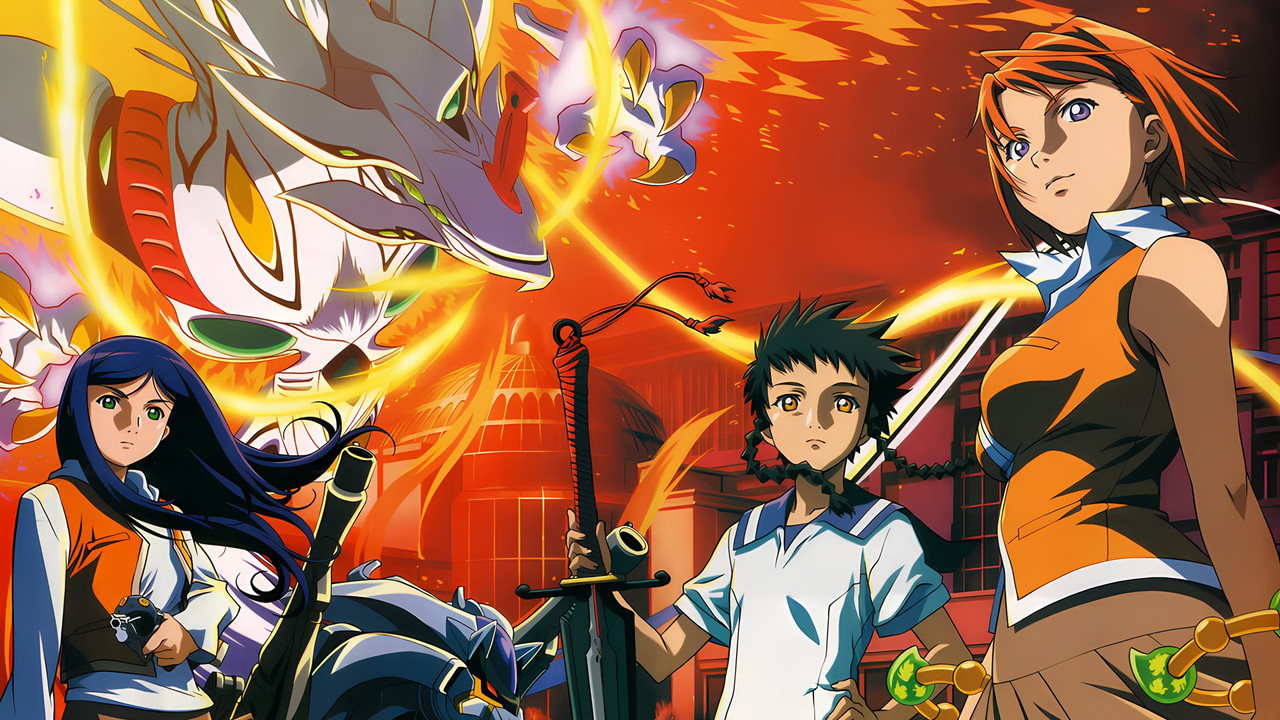
Schoolgirls discover that they have been given the ability to materialize weapons and control robotic beasts called "Children" to stop an evil organization from their plans of domination.

Original title
舞-HiME
Country of origin
🇯🇵 Japan
Year
2004
Studio
Sunrise
Channel
TV Tokyo
Studio
SUNRISE

Trivia & behind the scenes

/
Origins

The title 'HiME' is a backronym for 'Highly-advanced Materializing Equipment,' though the name was originally chosen so audiences could 'find their own (My) princess (HiME)'; it also has no direct connection to Mori Ōgai's novel 'Maihime' despite sharing a similar reading.

References

The concept behind the title also references the Odakyu Electric Railway's HiSE train (High-decker/High-grade/High-level Super Express), which inspired the acronym.

Origins

Creative producer Gorō Taniguchi deliberately mandated that each media adaptation (anime, manga, games, novels) tell a different story rather than simply retelling the anime plot, a policy he had already applied to the manga adaptation of his previous work 'Scryed.'

Casting

Director Masakazu Obara stated he wanted to 'reverse the roles that men and women usually play' in the series, deliberately giving the actresses the leading roles instead of the male characters.

Music

The ending theme for episode 15 was replaced with 'It's only the fairy tale,' a song performed by Yuko Miyamura, the voice actress of Alyssa Searrs, instead of the regular ending theme.

Music

The final episode (26) aired without any opening theme, using only the regular ending theme 'Shining☆Days.'

Trivia

A special 3-minute original bonus episode titled 'Kuro no Mai/Saigo no Bansan' (Black Dance/The Last Supper), featuring the heroines punishing Reito Kanzaki, was included as a video extra on the 2010 Blu-ray release 'My-HiME COMPLETE.'

Reception

A humorous bust-size comparison chart of the female characters, published in Megami Magazine's December 2004 issue, became a recurring parody format later imitated by other anime franchises such as 'Negima!', 'Black Lagoon,' and 'Strike Witches.'

What people are saying (0)

Log in to share your take.

No reviews yet.

Nothing yet. Start the conversation!

New version available

A Seenr update was just released. Reload to get it.