Mandala

1987 · 1 season · Drama
8.0 Modest

Series finished

Log in to follow
Drama Soap

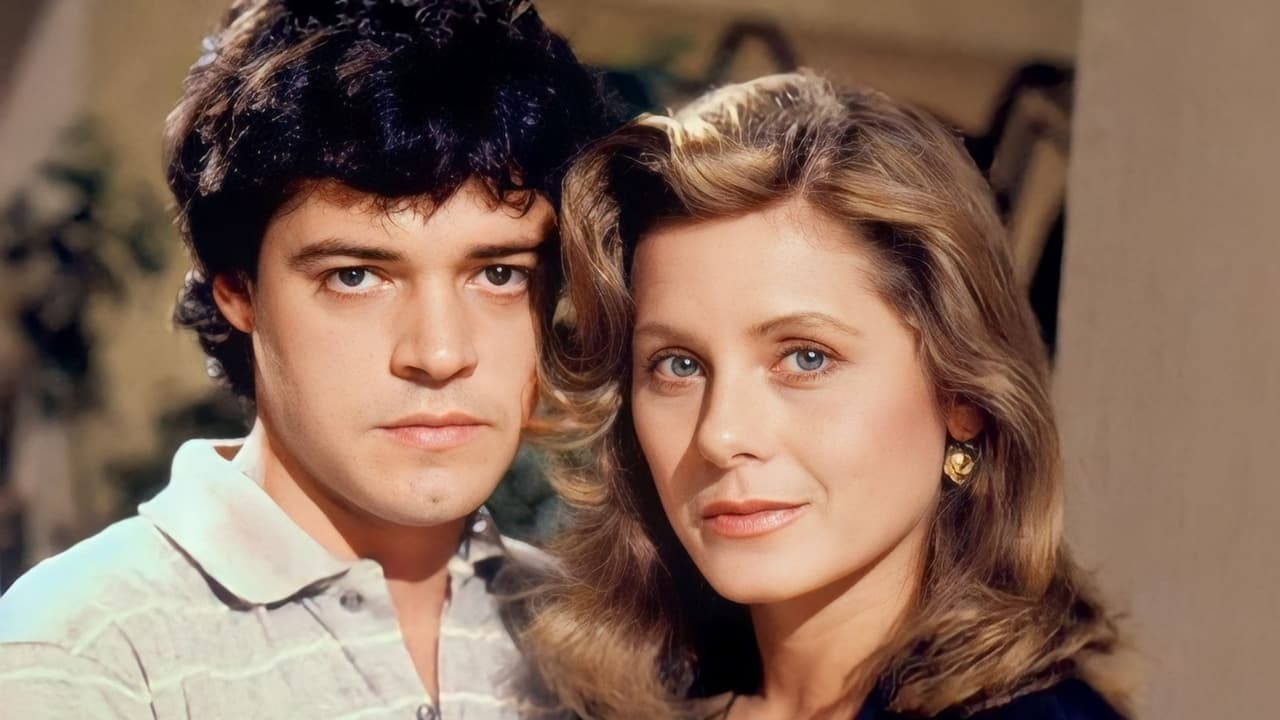
Rio de Janeiro, 1961. A estudante de Sociologia Jocasta, filha do militante comunista Túlio Silveira, tem 18 anos e participa ativamente do momento político do país, abalado pela renúncia do presidente Jânio Quadros. Ela é apaixonada por Laio, o seu oposto, rapaz alienado e esotérico que vive da mesada do pai rico, o empresário Michel Lunardo. Místico, Laio não dá um passo sem consultar seu guru e amigo Argemiro, a quem recorre quando recebe a notícia da gravidez de Jocasta. Os búzios mostram que seu filho irá matá-lo e que terá uma relação amorosa com a mãe. Assustado, Laio some com a criança assim que ela nasce, com a cumplicidade de Argemiro – que ama Laio e odeia Jocasta. Vinte e cinco anos depois, Jocasta é uma mulher bem-sucedida, mas inquieta, à procura do filho desaparecido. Ela está separada de Laio, que nos últimos anos expandiu a fortuna do pai ligando-se ao jogo clandestino. Em uma estrada, ele encontra Édipo, sem saber que é seu filho.

Country of origin
🇧🇷 Brazil
Year
1987
Created by
Dias Gomes
Channel
TV Globo

Trivia & behind the scenes

/
Origins

The telenovela's central plot is a free adaptation of Sophocles' Greek tragedy Oedipus Rex, transposing the myth of Oedipus to 20th-century Rio de Janeiro.

Origins

Mandala was written by Dias Gomes only up to chapter 35; he was then replaced by Marcílio Moraes, who wrote the rest with the uncredited collaboration of Lauro César Muniz for the final chapters.

Origins

During its original run, the show faced problems with Brazil's Federal Censorship, which initially tried to veto the synopsis for dealing with themes like incest, drug use and bisexuality deemed inappropriate for the prime-time slot; Globo negotiated changes to get it approved.

Origins

Even after airing began, censors tried to block a kiss scene between Jocasta and Édipo, deeming it too shocking, but Globo negotiated to keep the essential scene, arguing the characters were unaware of their mother-son relationship, while ensuring no sexual content or insinuation between them was planned.

Casting

Gianfrancesco Guarnieri's character Túlio Silveira, a communist facing trouble with police and government, was inspired by Mário Lago, a close friend of writer Dias Gomes, though it also bore resemblance to the actor's own life.

Casting

Dias Gomes originally wrote the role of Jocasta with actress Dina Sfat in mind, but she turned it down; Vera Fischer ended up playing the character instead.

Filming

Scenes were shot in Brasília, and special effects were used for Jocasta and Édipo's visions as well as for Argemiro's scenes, in which the paranormal guru sat under an illuminated pyramid to recharge his energy.

Effects

To depict the passage of time along Botafogo's waterfront in Rio, the production used a five-square-meter scale model filmed almost frame by frame, progressively adding small cardboard building reproductions to show the area transforming over the decades.

Casting

Actor Nuno Leal Maia, who played bookmaker Tony Carrado, gave input to the costume team about his character's colorful suits, having previously played a similar role in the 1985 film O Rei do Rio; the look became so popular that costume designer Sônia Soares received calls from real bookmakers and wealthy people asking where to buy similar suits.

Reception

Vera Fischer and Felipe Camargo, who played Jocasta and Édipo, had an off-screen romance during filming and later married, a fact the telenovela is often remembered for.

Music

The soundtrack featured 'O Amor e o Poder,' a Portuguese-language version of Jennifer Rush's 'Power of Love' performed by singer Rosana, which became a huge hit at the time.

Music

Another soundtrack highlight was 'Pra Sempre Vou Te Amar,' a version of 'Forever by Your Side' performed by singer Adriana, which became a massive hit in Brazil and was associated with Nuno Leal Maia's character Tony Carrado, leading to the release of a themed compilation album called As Preferidas de Tony Carrado.

Reception

Mandala averaged around 56 rating points on IBOPE and was extended by 12 extra chapters, ending on a Friday the 13th, with the final episode repeated the following Saturday.

Reception

In Portugal, Mandala aired only in 1994 on RTP's Canal 1 and became the first prime-time telenovela on RTP not to lead the ratings, as it competed with Mulheres de Areia airing on the rival channel SIC, which Globo had also begun supplying with more recent telenovelas.

What people are saying (0)

Log in to share your take.

No reviews yet.

Nothing yet. Start the conversation!

New version available

A Seenr update was just released. Reload to get it.