The Many Loves of Dobie Gillis

1959 · 4 seasons · Comedy
6.3 Modest

Series finished

Log in to follow
Comedy

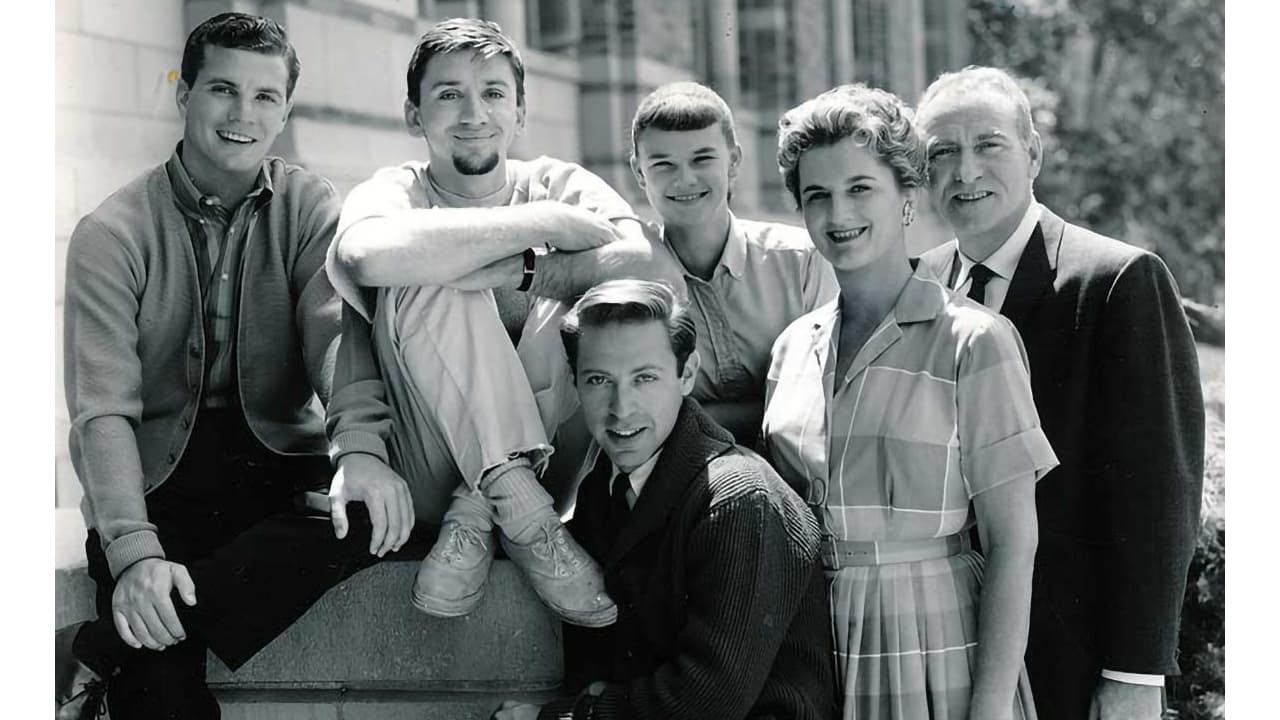
The Many Loves of Dobie Gillis is an American sitcom that aired on CBS from 1959 to 1963. The series and several episode scripts were adapted from a 1951 collection of short stories of the same name, written by Max Shulman, who had also written a feature film adaptation of his short stories for MGM in 1953, The Affairs of Dobie Gillis. The series revolved around the life of teenager/young adult Dobie Gillis, who, along with his best friend, beatnik Maynard G. Krebs, struggles against the forces of his life - high school, the military, college, and his parents - as he aspires to attain both wealth and dates with girls. The Many Loves of Dobie Gillis was produced by Martin Manulis Productions in association with 20th Century Fox Television. Creator Shulman also wrote the theme song in collaboration with Lionel Newman.

Country of origin
🇺🇸 United States
Year
1959
Created by
Max Shulman
Channel
CBS

Trivia & behind the scenes

/
Origins

The series was adapted from Max Shulman's Dobie Gillis short stories, first published in 1945 and collected in 1951, with some TV scripts directly adapted from the original stories.

Origins

An initial pilot for a Dobie Gillis TV series was produced by comedian George Burns in 1957 starring his son Ronnie Burns, but it failed to sell.

Origins

20th Century Fox executive Martin Manulis asked Shulman to lower Dobie's age from 19 to 17, turning him into a high-schooler like Ricky Nelson and Wally Cleaver, and Shulman agreed in exchange for a show-running role.

Casting

Dwayne Hickman was 24 years old when he shot the pilot despite playing a supposed 17-year-old, and he was required to bleach his naturally dark brown hair blond to distinguish Dobie from his previous role as Chuck on The Bob Cummings Show, a practice dropped in season two after it caused scalp irritation.

Casting

Bob Denver was a 23-year-old grade-school teacher and postal worker with no prior acting experience who got the audition for Maynard G. Krebs only because his sister worked as a casting director's secretary.

Casting

After filming just three episodes, Denver received a draft notice and his character was written out with an elaborate send-off episode; stage actor Michael J. Pollard was brought in to play Maynard's cousin Jerome as a replacement, but Denver was found unfit for service and rehired, with Pollard paid out his full 30-episode contract despite appearing in only two episodes.

Casting

Warren Beatty, who played rival Milton Armitage, left the series in September 1959 after five episodes to appear in the Broadway play A Loss of Roses; years later he co-starred with former castmate Michael J. Pollard in Bonnie and Clyde.

Casting

Tuesday Weld, who played Thalia Menninger, and Dwayne Hickman reportedly disliked each other off-screen, with Hickman later calling her 'a pain in the neck' and Weld finding him pushy and out of touch.

Casting

Actress Sheila James (later California legislator Sheila Kuehl) was cast as Zelda Gilroy without an audition, and a planned Zelda spinoff pilot was rejected by CBS president James Aubrey, who reportedly found the character 'too butch' due to James being a closeted lesbian.

Filming

The show was filmed with two cameras, a technique producer Rod Amateau had learned while working on The George Burns and Gracie Allen Show, and Fox produced one episode per week from May to December each year.

Filming

Dwayne Hickman's fourth-wall-breaking monologues in front of the Rodin's The Thinker statue were filmed last during each episode's production, and their length led Hickman to request a teleprompter starting in season two.

References

The lead characters of Hanna-Barbera's Scooby-Doo, Where Are You! were directly based on Dobie Gillis characters, as confirmed by creators Joe Ruby and Ken Spears: Fred on Dobie, Daphne on Thalia, Velma on Zelda, and Shaggy on Maynard.

References

Garry Marshall said he drew inspiration from Dobie Gillis when creating the ABC sitcom Happy Days, and singer Dobie Gray took his stage name from the Dobie Gillis character.

Trivia

After the first season, Capitol Records tried to make Dwayne Hickman a recording star despite his admitted lack of singing ability, requiring engineers to piece together numerous takes to get usable vocal tracks for his Dobie! album, which sold poorly like his earlier single 'School Dance.'

What people are saying (0)

Log in to share your take.

No reviews yet.

Nothing yet. Start the conversation!

New version available

A Seenr update was just released. Reload to get it.