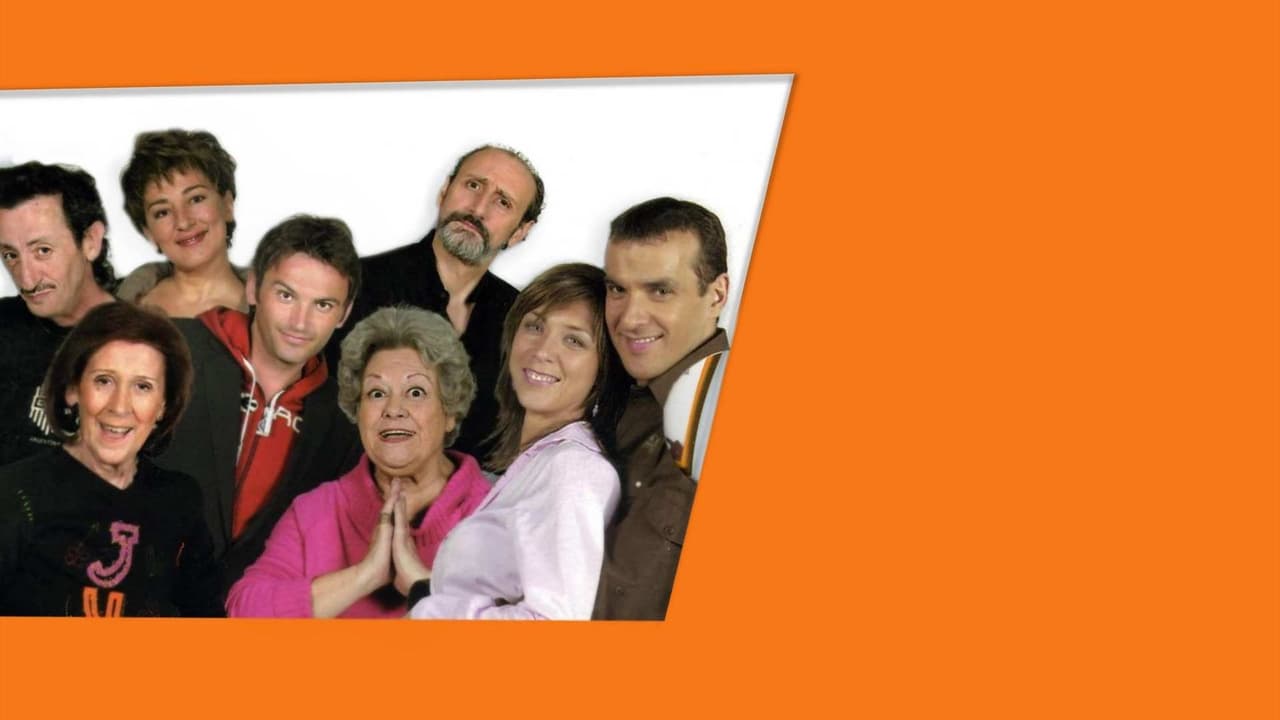
The project was born in 1998 when creators Alberto Caballero and Iñaki Ariztimuño met on the variety show Mira quién viene esta noche and decided to set a series in an apartment building, encouraged by the success of the 2000 film La comunidad.
The creators spent five years searching for a television network willing to accept the project until José Ángel Rodero, then Head of Content at Antena 3, read the script during a plane trip to Buenos Aires and laughed a lot, greenlighting the show.
The show's creators admit that the character of Concha was inspired by Los Roper (the Spanish dub of The Ropers), her irreverent tone by Married... with Children, Marisa and Vicenta by The Golden Girls, and the dialogue structure by Frasier.
Antena 3 was initially reluctant about the gay couple storyline, especially the character of Mauri, whom network executives found too flamboyant.
Writer Iñaki Ariztimuño researched the show by talking to building administrators, visiting legal advisers, reading real estate classifieds in newspapers, and listening to friends' stories about problems living in apartment communities; actors like Fernando Tejero, Loles León and Laura Pamplona, who lived in real neighborhood communities, also contributed anecdotes for episode ideas.
Filming began in June 2003 in a 2,000-square-meter industrial warehouse in Moraleja de Enmedio, south of the Community of Madrid, which was shared for a time with another series, A tortas con la vida, which even got a nod in one episode where two of its main characters rented an apartment in the building.
A fire once destroyed a quarter of the warehouse that was used to store the show's costumes.
Some episodes were filmed on location outside the studio, including at Terra Mítica, Gran Hotel Bali, Hotel Zouk, and various locations in Lanzarote.
The show's theme song, which greatly contributed to its distinctive style and personality, was composed and performed a cappella by the now-defunct group Vocal Factory, who also created musical interludes in some episodes with lyrics referencing that episode's plot.
The series' most-watched episode, 'Érase un famoso,' drew over 8.3 million viewers and a 43.1% audience share, and the show at times reached over 10 million viewers, becoming the most-watched Spanish series of the 2000s decade.
During its head-to-head ratings battle with rival Telecinco series Los Serrano, creator Alberto Caballero criticized the network rivalry as absurd and undignified for viewers; Telecinco was fined 350,000 euros for a counter-programming strategy against the show.
The show ended because rival network Telecinco bought a 15% stake in production company Miramón Mendi for 11 million euros, and when Antena 3's rights were not renewed, Telecinco created the spin-off series La que se avecina (working title 'Atocha 20') using much of the same cast and crew.
Antena 3 sued Telecinco for plagiarism over La que se avecina after only three episodes had aired, but the courts eventually ruled in Telecinco's favor in 2015, partly based on differences in how each show portrayed the building porter character.
Actor Fernando Tejero said the show 'died from mistreatment,' citing that there were only two writers who couldn't keep up, while actor Elio González said cast members worked up to 21-hour days; Loles León's real reason for leaving was reportedly the grueling workload rather than the falsely rumored financial dispute.
A planned Italian adaptation titled 'Qui non si può vivere' by Mediaset failed to move forward because network restrictions prevented the Marisa-equivalent character from drinking or smoking.
A disability advocacy group, FEDACE, publicly criticized the episode 'Érase un despertar' for trivializing comas, while conservative group HazteOir.org criticized a line about a gay rights demonstration in another episode.