Arcadia of My Youth: Endless Orbit SSX

Anime 1982 · 1 season · Sci-Fi & Fantasy
6.9 Modest

Series finished

Log in to follow
Sci-Fi & Fantasy Animation Pirates Space Opera Male Protagonist Post-Apocalyptic Robots Space

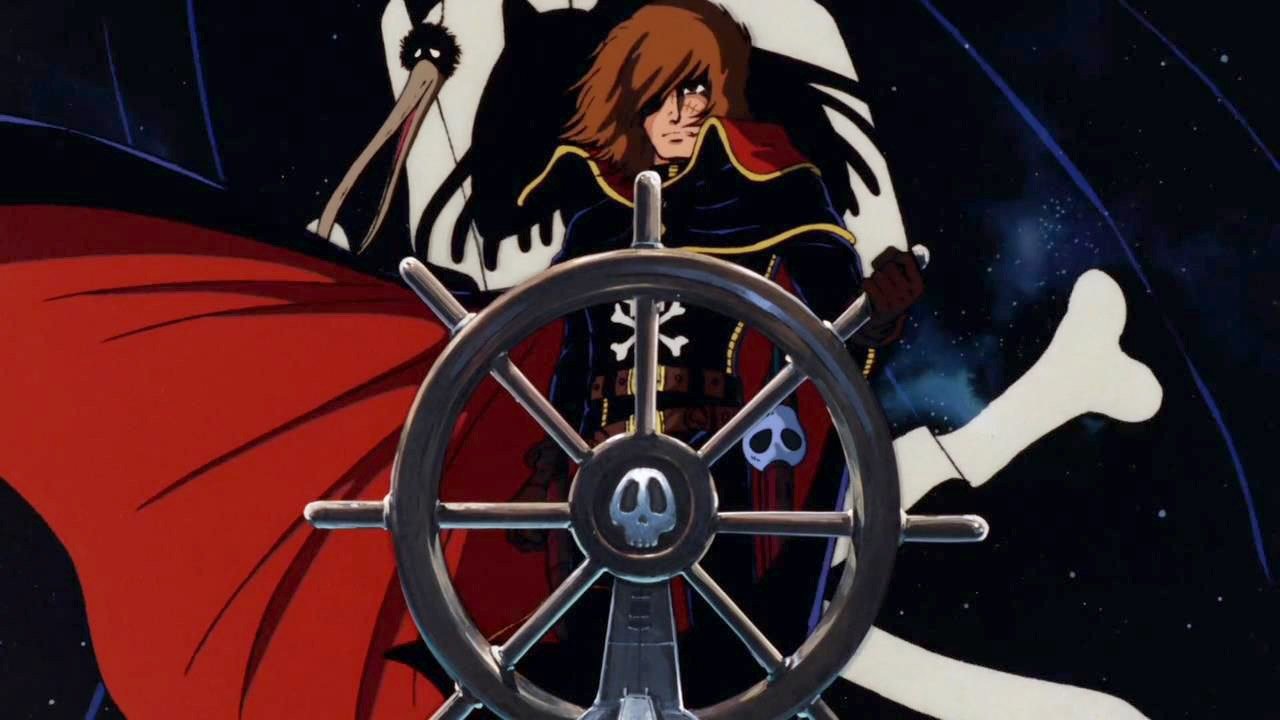
Arcadia of My Youth: Endless Orbit SSX is an animated television series created by Leiji Matsumoto. It's the sequel to the 1982 animated film Arcadia of My Youth. However, like many of the stories set in the Leijiverse, the continuity of the series does not necessarily agree with other Harlock series or films.

Original title
わが青春のアルカディア・無限軌道 SSX
Country of origin
🇯🇵 Japan
Year
1982
Studio
Toei Animation
Created by
Leiji Matsumoto
Channel
TBS

Trivia & behind the scenes

/
Origins

The series was designed as a bridge connecting the many missing links in Leiji Matsumoto's fictional universe, aiming to lead into the anime version of Space Pirate Captain Harlock, and it maintained movie-quality visuals and sound for a weekly TV production.

Origins

The show's pilot version carried the tentative title 'Pirate Flagship Arcadia' before being renamed.

Reception

Because the previous film Arcadia of My Youth had underperformed at the box office, the TV adaptation was reworked with heavier use of explanatory dialogue and formulaic happy endings each episode to appeal to younger viewers and new audiences, giving it a different tone from Matsumoto's original manga.

Reception

The series premiered just as the Gundam craze began in Japan; Mobile Suit Gundam's more realistic sci-fi style made Captain Harlock's fantasy and melodrama feel outdated, contributing to low ratings that led to the show ending after 22 episodes instead of the originally planned 44.

Reception

Due to poor ratings, several storylines that Matsumoto had originally teased—such as an appearance by Galaxy Express 999 heroine Maetel (hinted at via a silhouette in episode 1) and the villain Illumidas being defeated midway to be replaced by a new enemy—were ultimately never realized.

Reception

Critic Yuichiro Oguro noted the show went largely unnoticed among anime fans partly because it aired opposite Urusei Yatsura on Fuji TV, at a time when anime trends were shifting toward lighter, parody-driven shows with bishōjo characters and romantic comedy elements that didn't match Matsumoto's style.

References

The ending in which Harlock entrusts Earth's future to a younger crew member before departing into space closely mirrors the finale of the 1978 Space Pirate Captain Harlock anime.

Casting

This series, along with his long-running portrayal of Harlock, became the final acting role of voice actor Makio Inoue, who also voiced Harlock in the 2019 video game Super Robot Wars T shortly before his death.

Casting

The character La Mime was originally planned to be swapped out mid-series with her sister Mimay from the 1978 Harlock series, but this plan was never realized due to the show's early cancellation.

Trivia

Three of the featured starships—Arcadia, Queen Emeraldas, and Deathshadow—were all made into 1/1600 scale model kits by Bandai to tie in with the broadcast, with Arcadia also receiving a 1/1000 kit; upon re-release, the Arcadia kit was renamed 'Captain Harlock Ship'.

References

In the American 1989-1993 Eternity Comics adaptation, the character Alexander Nevich was clearly based on Mr. Zone in both appearance and personality, and the comics attempted to retroactively establish continuity between SSX, Galaxy Express 999, and the 1978 Space Pirate series that the original Japanese works never intended.

What people are saying (0)

Log in to share your take.

No reviews yet.

Nothing yet. Start the conversation!

New version available

A Seenr update was just released. Reload to get it.