Sesame Street

Kindness is in the air.

1969 · 56 seasons · Kids
7.1 Very popular

New season on the way

Log in to follow
Kids Comedy

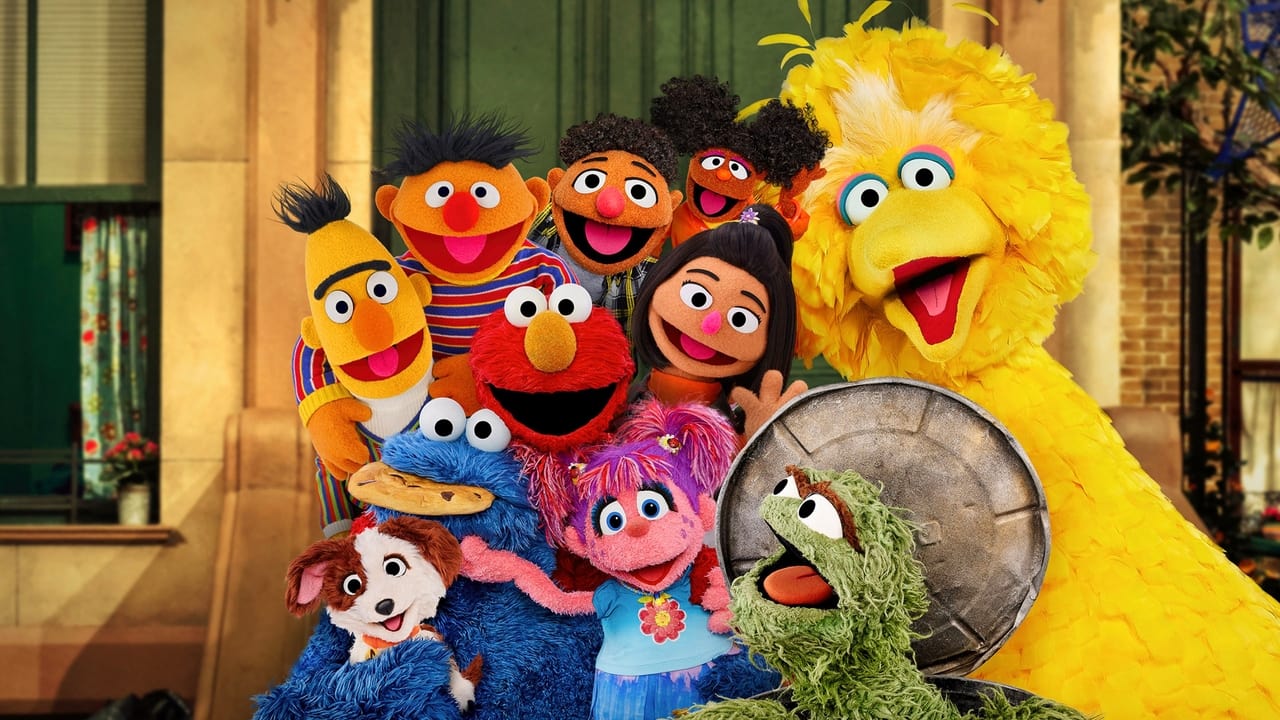
On a special inner city street, the inhabitants—human and muppet—teach preschoolers basic educational and social concepts using comedy, cartoons, games, and songs.

Country of origin
🇺🇸 United States
Year
1969
Created by
Lloyd Morrisett, Joan Ganz Cooney, Jim Henson

Trivia & behind the scenes

/
Origins

Sesame Street was conceived in 1966 during discussions between TV producer Joan Ganz Cooney and Carnegie Foundation vice president Lloyd Morrisett, who wanted to harness television's addictive qualities for good, such as helping prepare young children for school.

Origins

After two years of research, the newly formed Children's Television Workshop received a combined $8 million grant (about $70 million in 2025 dollars) from the Carnegie Foundation, Ford Foundation, Corporation for Public Broadcasting, and the U.S. federal government to create the show.

Origins

According to Joan Ganz Cooney, the name 'Sesame Street' came from the phrase 'open sesame,' evoking a place where exciting things happen.

Origins

The show was originally given just a six-month trial run to determine whether it was effective enough to continue airing.

Casting

Jon Stone, who cast the show's first actors, deliberately aimed to cast white actors as the minority among an ethnically diverse cast, and did not hold auditions until spring 1969, just weeks before the five test episodes were filmed.

Casting

Auditions were videotaped and then shown to children in the field by researcher Ed Palmer; actors who received the most enthusiastic reactions from kids were cast, such as Loretta Long, chosen to play Susan after children stood up and sang along with her rendition of 'I'm a Little Teapot.'

Casting

Jon Stone himself admitted that casting was the only aspect of the show that was 'just completely haphazard,' with most cast and crew hired through personal relationships with the producers.

Origins

Child psychologists initially advised producers that human actors and Muppets should not interact on screen, fearing it would confuse young viewers, so early Street segments were filmed without such interaction.

Filming

When early testing showed that children's attention dropped during human-only 'Street' segments but stayed high during Muppet segments, producers asked Jim Henson to create characters like Big Bird and Oscar the Grouch to interact with the human cast, and the Street segments had to be re-shot.

Filming

For the show's first 24 years, tapings took place in Manhattan, after which production moved to the Kaufman Astoria Studios in Queens.

Casting

Jim Henson was initially reluctant to join Sesame Street but agreed to waive his performance fee in exchange for full ownership of the Sesame Street Muppets, splitting any resulting revenue with the Children's Television Workshop.

Filming

Producer Dave Connell insisted that no child actors be used on the show; the children appearing in scenes were non-professionals who were unscripted and spontaneous, and their on-air mistakes and hesitations were kept in as they served as relatable models for young viewers.

Music

The show's first musical director Joe Raposo and other songwriters were allowed to retain the rights to the songs they wrote for the show, an unusual arrangement that helped attract top composing talent.

Reception

In May 1970, Mississippi's state PBS commission voted not to air Sesame Street because of its highly racially integrated cast of children, feeling the state 'was not yet ready for' it.

Reception

Consumer advocate Ralph Nader, who had previously appeared on the show, called for a boycott of Sesame Street in 1998 after it accepted its first corporate sponsorship (from indoor playground company Discovery Zone), accusing the CTW of 'exploiting impressionable children.'

Reception

Sesame Street holds the record for the most Emmy Awards of any television series, with 222 Emmys and 11 Grammy Awards as of 2022.

References

Critic Richard Roeper noted that one of the strongest indicators of the show's cultural influence has been the enduring urban legends surrounding it, particularly speculation about the sexuality of Bert and Ernie.

Memorable quotes

/

Cookie Monster (to tune of Elmo's World theme): La la la la, la la la la, Cookie World. La la la la, la la la la, Cookie World. Me love me cookies, yeah, me cookies too. that was amazing

Cookie Monster Singing parody of Elmo's World theme about cookies

What people are saying (0)

Log in to share your take.

No reviews yet.

Nothing yet. Start the conversation!

New version available

A Seenr update was just released. Reload to get it.