WKRP in Cincinnati

So just sit right down, relax, open your ears real wide and say, "Give it to me straight, Doctor. I can take it!"

1978 · 4 seasons · Comedy
7.6 Modest

Series finished

Log in to follow
Comedy

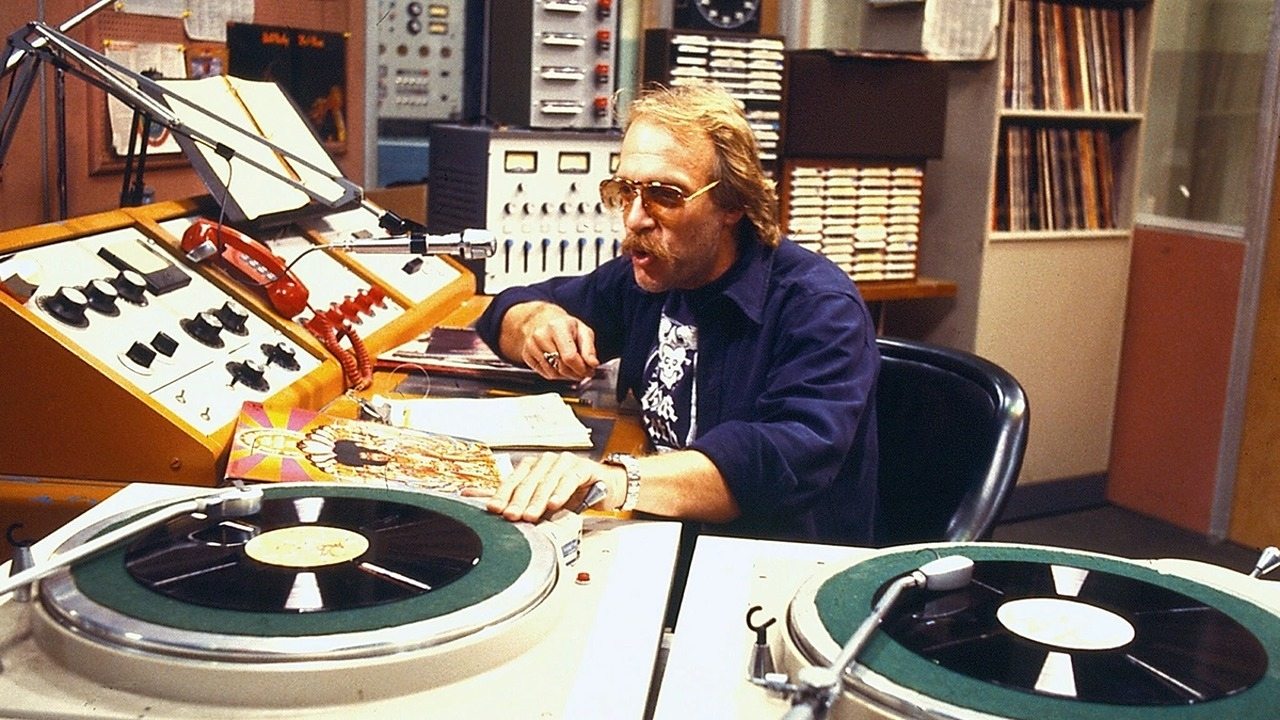
When a Cincinnati radio station switches from sedate music to top-40 rock 'n' roll, its staff of oddball characters is forced to switch gears quickly. New programming director Andy Travis brings in a new DJ named Venus Flytrap to work with the station's burned-out veteran, Dr. Johnny Fever. Neurotic newsman Les Nessman, eager beaver Bailey Quarters, sleazy salesman Herb Tarlek, blonde bombshell Jennifer Marlowe, who serves as the station's ultra-capable receptionist, and station manager Arthur Carlson, whose domineering mother owns WKRP, round out the eccentric bunch.

Country of origin
🇺🇸 United States
Year
1978
Created by
Hugh Wilson
Channel
CBS

Trivia & behind the scenes

/
Origins

Creator Hugh Wilson based the series on his experiences observing Top 40 radio station WQXI in Atlanta, and many characters were modeled on people who worked there.

Origins

Wilson told The Cincinnati Enquirer that he chose the call sign WKRP so that it would stand for C-R-A-P.

Casting

Jan Smithers (Bailey Quarters) and Gordon Jump were the only two cast members who were the first choice for their roles; Wilson said other actresses read the shy Bailey too broadly, while Smithers, who had never done a sitcom before, genuinely was shy.

Casting

The character Herb Tarlek was based on real radio executive Clarke Brown.

References

Dr. Johnny Fever was inspired by Atlanta DJ 'Skinny' Bobby Harper, who had actually worked at Cincinnati's WSAI station in 1964 before moving through ten other stations, making the setting an odd coincidence given his real career path.

References

The Carlson characters were a pastiche of WQXI's longtime general manager Jerry Blum, with Mrs. Carlson getting his brashness and Arthur inheriting his nickname 'Big Guy,' his style, and unorthodox promotions like the turkey drop.

Filming

The self-supporting transmission tower shown in the opening actually belongs to Cincinnati's NBC affiliate WLWT, not a CBS station, while the building shown as WKRP's offices is really the Cincinnati Enquirer Building on Vine Street.

Music

An urban legend claimed actor Richard Sanders sang the opening theme because his voice resembled singer Steve Carlisle's, but Wilson confirmed on the DVD commentary that this was untrue; Sanders later humorously 'sang' the lyrics in a VH1 promo for The New WKRP.

Music

The closing theme's nonsense lyrics happened because singer Jim Ellis recorded it as a demo before writing real lyrics and mumbled gibberish, but Wilson liked it as a satire of unintelligible rock lyrics and kept it as-is.

Music

The show's use of Blondie's 'Heart of Glass' was credited with helping make it a hit single, and Chrysalis Records gave the producers a gold record award that can be seen hanging in the bullpen set in later episodes.

Trivia

WKRP was videotaped rather than filmed because music-licensing fees were cheaper for videotaped shows at the time, a loophole meant for variety shows; this original music mostly survived into early syndication but was later replaced with stock music and soundalike dubbed dialogue once licenses expired.

Reception

After being pulled from CBS's schedule after only eight episodes due to poor ratings, positive reviews and enthusiastic reactions from real disc jockeys—who praised its realistic depiction of the radio business—convinced CBS to bring the show back unchanged.

Trivia

In 2026, a real Cincinnati-area radio network rebranded itself 'WKRP in Cincinnati' after acquiring rights to the call letters from a North Carolina low-power station, launching with promotional recordings by original star Gary Sandy and six hours of the show's theme song.

What people are saying (0)

Log in to share your take.

No reviews yet.

Nothing yet. Start the conversation!

New version available

A Seenr update was just released. Reload to get it.